Dermaplaning At Home: The Pros and Cons
In my decades of treating skin, I have never truly been convinced about the benefits of dermaplaning, either in clinic or at home.
In my decades of treating skin, I have never truly been convinced about the benefits of dermaplaning, either in clinic or at home.
The idea behind dermaplaning is to remove the wispy, vellus hairs we all have, either for cosmetic purposes or in order to smooth the surface.
Vellus hairs are generally very soft, and for the most part short and relatively unnoticeable. They are very different to our terminal hairs which grow thicker and longer (think underarms, legs, beard, scalp, etc).
While they may seem fine, they do serve a purpose and help to protect us from microbes and the days environmental load, as well they help to regulate our body temperature. These two attributes are important to protecting the long term health of our skin and bodies.
For some, vellus hairs can become thicker and longer due to hormonal fluctuations and even genetics, which can affect our appearance and how we feel about ourselves. This is where dermaplaning can really help. My clients who suffer from excess vellus hairs are the only clients I recommend getting dermaplaned because, on balance, it’s worth the compromise to skin health if it makes them feel better about themselves.
Dermaplaning is also often used as a method to remove excess dead skin cells so that our skin looks smoother and our make-up sits nicer. Some people also believe that it will help products penetrate into the skin better. This isn’t entirely true. Cosmetic products are not allowed to penetrate, but what you are able to do is get those products onto cells that aren’t quite ready to exfoliate off, so you can adjust the health and hydration levels of a cell before it dies off, meaning you can hydrate or plump a cell toward the end of its life to give the skin a lovely outer appearance.
On that ‘lovely outer appearance’ thing: for some, dermaplaning can do just that, but for others it can mean that we are forcing cell turnover to happen too quickly, so it is detrimental to skin health. Our ideal cell turnover range is 26-28 days. Speeding this up will give us smoother skin, but it also means we are putting our skin into an inflammatory state by forcing cells to turn over quicker than they should. This inflammatory state may not be noticeable at first, but over time can create underlying redness in the live dermal layers of the skin and can also compromise the barrier function of our skin. Each time you dermaplane, you are creating a wound. Wounding too much is never a good thing. What we ultimately want for our skin is long term health, not chronic wounding.
Here is a breakdown of the pros and cons.:
Pros:
-
Removes vellus hairs that can make our skin look and feel smoother.
-
Make up sits nicely.
-
Can give the appearance of more hydrated skin (keeping in mind that it’s a superficial hydration).
Cons:
-
Forces cell turnover to happen more quickly than is ideal.
-
Keeps the skin in a state of inflammation which can have adverse affects like redness and tearing.
-
Creates a perfect environment for microbes to wreak havoc.
-
Blades can cut/graze the skin making it even easier for microbes to enter.
-
It can increase healing time for skin that is suffering from acne. The pilo-sebaceous unit does not like chaos. Dermaplaning over acne prone skin will cause chaos and can make acne worse.
-
If done incorrectly, it can cause ingrown hairs.
Professional vs home treatment:
I would always go to a professional. You are more likely to have the right technique used and more importantly, if they are worth their weight in salt, they will make sure to use a new blade for each and every visit/client. This means it’s a far more hygienic solution.
If you are determined to do it at home, please remember these rules:
-
Start with clean skin.
-
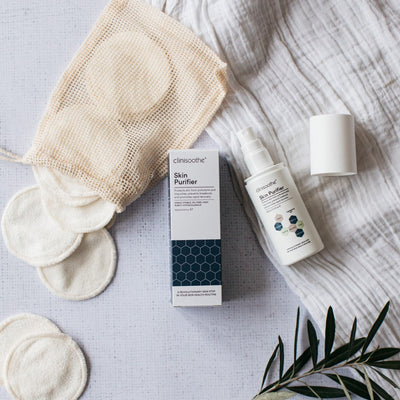
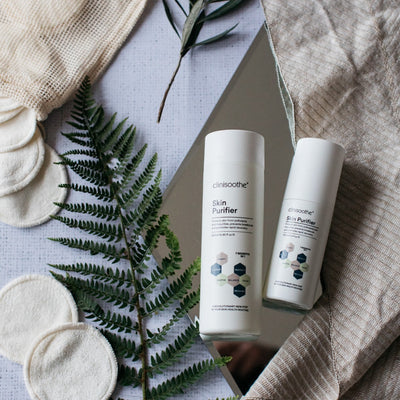
Always spray with Clinisoothe, a hypochlorous acid face spray, and allow to dry before dermaplaning, for cleansing antimicrobial protection.
-
Never dermaplane over compromised skin (acne spots, redness, dry or inflamed skin, rosacea, eczema, psoriasis or perioral dermatitis).
-
Always use Clinisoothe+ Skin Purifier again after you are finished, allow it to dry, and then end with your skincare.
-
I would never use actives like retinoids and dedicated Vitamin C products for at least 48 hours after dermaplaning.
-
This is critical, but ALWAYS wear SPF every single day, especially after dermaplaning.
-
Please make sure your blade is new (not dull) and please make sure it’s been disinfected before use.
Try Clinisoothe+ Skin Purifier, a gentle product to add to your skincare routine. Simply spritz your skin after cleansing and allow the product to soothe irritation and reduce the appearance of redness.
Clinisoothe+ Skin Purifier, £14.95/100ml

Written by Pamela Marshall, our Resident Skin Health Expert, Clinical Aesthetician and Co-Founder of Mortar & Milk London.