
Understanding folliculitis
Find out what causes folliculitis, how it differs from acne, and how maintaining good cosmetic skin hygiene can support clearer-looking skin.

What is folliculitis?
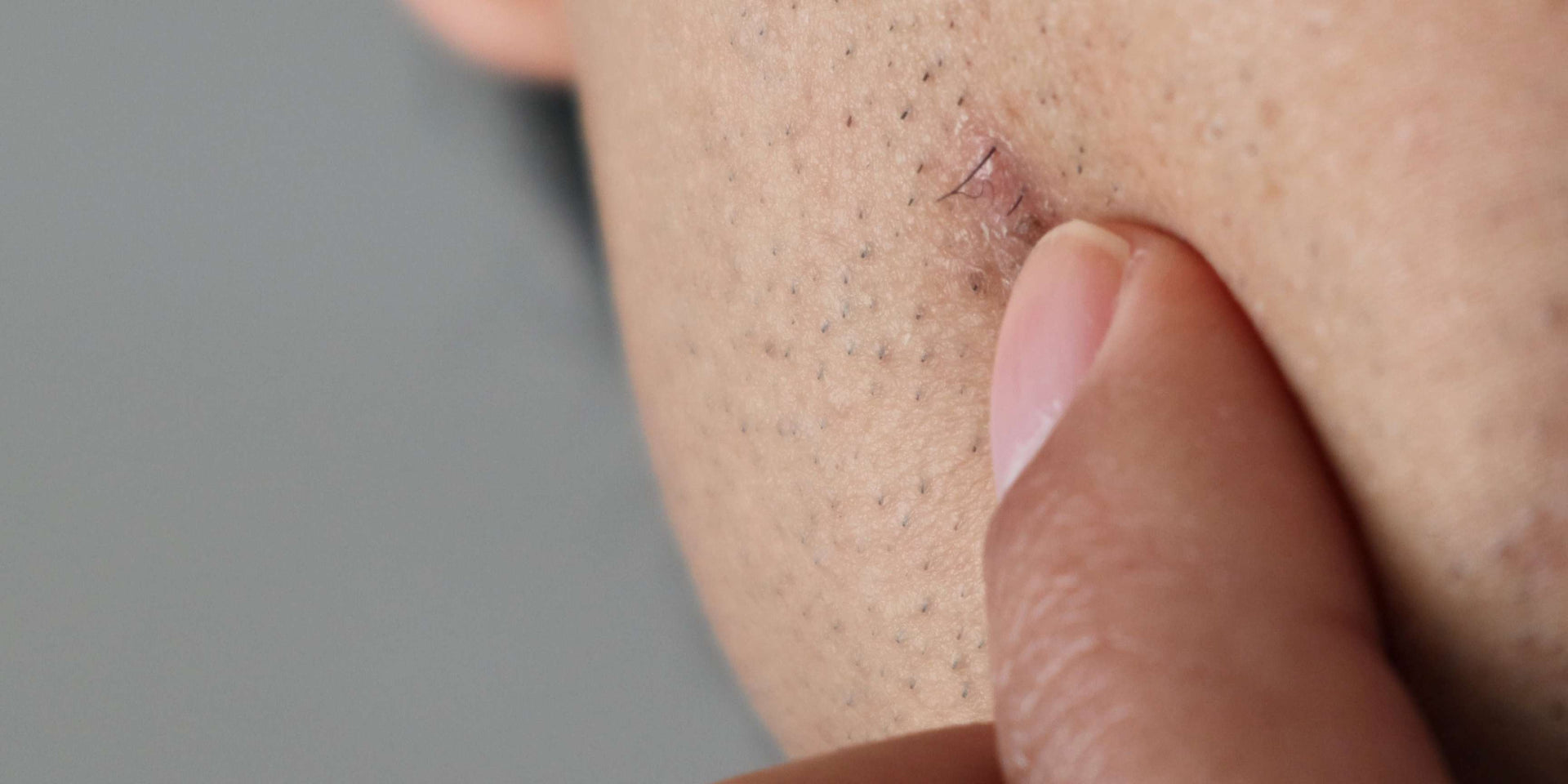
Folliculitis is a common condition that occurs when hair follicles — the tiny openings in the skin where hair grows — become irritated or inflamed. It can appear as small red bumps, white-tipped spots, or areas of tenderness around the hair roots.
Folliculitis can develop anywhere on the body where hair is present, such as the scalp, face, neck, chest, back, buttocks or legs. While it’s usually mild and temporary, it can sometimes recur or cause discomfort if the area is continually irritated.
(Educational content inspired by publicly available dermatological resources such as the NHS and other skincare authorities.)

What influences folliculitis-prone skin
Folliculitis often develops when the hair follicle becomes blocked or irritated. This can happen through friction from tight clothing, frequent shaving, sweating, or prolonged contact with moisture. Sometimes, bacteria or yeast naturally present on the skin can contribute to the irritation if the skin barrier is compromised.
Warm, humid environments, heavy skincare products, or occlusive clothing can increase the likelihood of follicle blockage. Because everyone’s skin and habits differ, understanding what may be triggering irritation can help reduce recurrence and maintain comfort.

Visible signs you may notice on the skin
The appearance of folliculitis can vary, but common signs include:

Small Red or White Spots
Often clustered around hair follicles, sometimes with a visible hair in the centre.

Itchiness or Tenderness
The skin may feel irritated or sore to the touch.

Rough or Textured Skin
A slightly bumpy surface that can feel uneven.

Crusting or Dryness
Spots that dry out or form small scabs as they heal.

Mild Discolouration
Marks that remain temporarily once irritation settles.
These signs can appear suddenly and may improve on their own if the skin is allowed to recover gently.
The connection betweenfolliculitis and lifestyle
Everyday activities can have an impact on how often folliculitis appears. Shaving or waxing can sometimes cause micro-irritation of the follicles, while friction from gym wear, backpacks or tight clothing can worsen irritation.
Maintaining good hygiene, wearing breathable fabrics and keeping the skin cool and clean after exercise may help reduce the frequency of flare-ups. Gentle exfoliation using mild, non-abrasive methods can also help to prevent the build-up of oil and dead skin cells that may contribute to blockage.
If the problem becomes persistent or particularly uncomfortable, seeking professional advice can help identify underlying causes.
Every day habits that cansupport skin comfort
A calm, consistent approach to skincare helps reduce irritation and support the skin’s natural barrier. Cleansing the area gently with a mild, pH-balanced formula and avoiding strong scrubs or fragranced products can help prevent further aggravation.
Wearing loose, breathable clothing, showering after exercise, and regularly changing towels or sportswear can all help maintain skin comfort. Avoiding shaving too closely or using clean, sharp razors may also reduce friction and irritation around the follicles.
Supporting the skin’s overall balance with hydration and gentle care is often the simplest and most effective long-term approach.
Understanding hypochlorous
Hypochlorous (HOCl) is a naturally occurring molecule produced by the body’s immune system. In skincare, it’s recognised for being gentle, non-irritating and highly compatible with the skin’s natural balance.
It helps maintain clean, balanced skin and supports daily skin hygiene without disrupting the microbiome. Because it’s pH-balanced and well tolerated, hypochlorous is often chosen by those with sensitive or blemish-prone skin who prefer products that respect the skin’s natural defences.
(Educational content inspired by publicly available dermatological resources.)

When to speakto a professional
If folliculitis is recurrent, spreading, or not improving after a few weeks of gentle care, it’s worth speaking to a GP or dermatologist. They can help determine whether it’s bacterial, fungal, or irritation-based, and provide advice tailored to your situation.
Professional support can also rule out other conditions with similar appearances, such as acne or keratosis pilaris, ensuring you receive accurate guidance.
Building confidencein your skin
Folliculitis is very common and often resolves with time and gentle care. By understanding your skin’s triggers and being patient with the healing process, it’s possible to reduce flare-ups and maintain comfort.
Healthy skin isn’t about perfection — it’s about balance, awareness and daily habits that help you feel confident in your own skin.

Our community,stay connected


Myths and misconceptions about folliculitis
Folliculitis is sometimes mistaken for acne, but the two are different. Acne develops when pores become blocked with oil, whereas folliculitis involves irritation of the hair follicles themselves.
It’s also a misconception that folliculitis results from poor hygiene, in many cases, it’s caused by friction, shaving or other everyday factors. Another myth is that sun exposure or drying products will “clear” the skin, but harsh treatments can actually prolong irritation.
Understanding these differences helps you care for the skin more calmly and confidently.

Common folliculitis concerns and solutions
Folliculitis is inflammation or irritation of the hair follicles. It appears as small red or white bumps, sometimes with a visible hair in the centre. The skin may feel itchy, rough, or tender, particularly after shaving or friction.
Folliculitis can be triggered by friction from clothing, frequent shaving, sweating, or contact with oils and skincare residue that block follicles. Bacteria or yeast that naturally live on the skin can sometimes contribute when the barrier becomes irritated.
Most mild cases are not contagious. However, if an infection develops, sharing towels, razors, or tight clothing could spread irritation to another area. Maintaining good hygiene and using clean personal items helps prevent this.
Yes — shaving is one of the most common causes. When hair is cut too close, it can curl back into the skin and cause inflammation. Using a clean, sharp razor and shaving in the direction of hair growth helps reduce irritation.
Allowing the area to breathe and avoiding friction helps it clear naturally. Wash gently with a mild, pH-balanced cleanser and keep the skin hydrated. Wear loose clothing, change towels regularly, and avoid shaving until the area feels calm again.
Folliculitis affects the hair follicles and often appears on the body, while acne develops from blocked pores and usually appears on the face or back. They can look similar, but their causes are different — a dermatologist can confirm which you have.
Yes, it can recur if triggers such as friction, sweat, or shaving continue. Keeping the skin clean, changing workout clothing promptly, and using gentle skincare can help reduce repeat flare-ups over time.
Have more questions? Visit our FAQ page to find out more.